


QUICK ANSWER: What Is Relaxing Music?
Relaxing music is music designed to create a calm, peaceful listening experience. It often uses slow tempos, soft instruments, gentle melodies, minimal vocals, ambient textures, or nature-inspired sounds.
People commonly listen to relaxing music for sleep, anxiety relief, focus, meditation, reading, work, stress reduction, or helping kids settle down before bedtime.
Start Listening to Relaxing Music
Choose the relaxing music experience that best fits your moment — whether you want to fall asleep, calm your mind, help kids unwind, or stay focused without distraction.
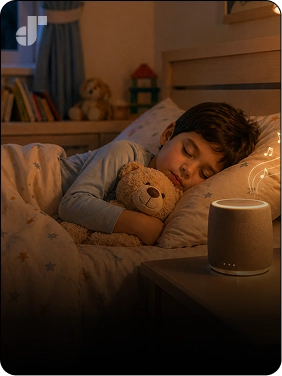
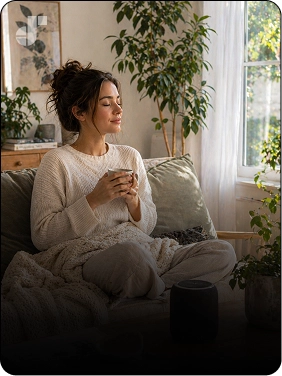
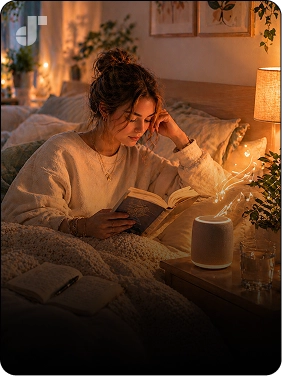

Popular Relaxing Songs Recommended
These well-known relaxing songs are often associated with calm listening, peaceful focus, and soft instrumental moods.
#
Title
Artist
Why We Picked It
 01
01

 02
02
 03
03
 04
04
 05
05
Pro Solution
Keep Calm Music Offline
Download relaxing playlists with TuneFab and save soothing songs as MP3s for offline listening anytime, anywhere.
- 320kbps Quality
- Batch Download
- 100% Secure


Artists & Genres Related to Relaxing Music
Relaxing music can come from many styles, including ambient, piano, lo-fi, acoustic, meditation music, and nature-inspired soundscapes.
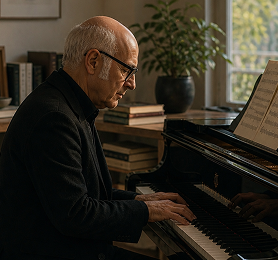
Relaxing Music Artists



Relaxing Music Genres
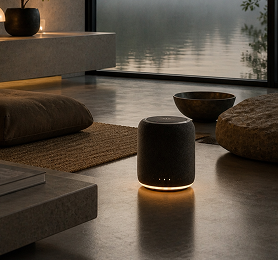
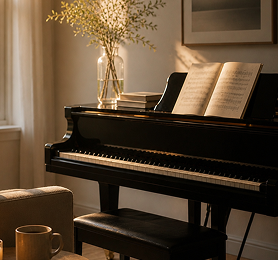
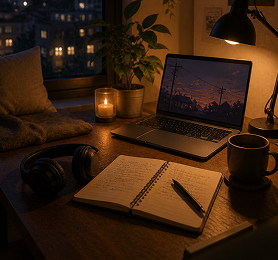

The Science Behind the Calm: What Makes Relaxing Music Different?
Relaxing music is not defined by one single genre. Instead, it is shaped by how the music feels and how it supports the listener’s environment.

Steady Patterns
Repeating melodies, consistent volume, and gradual transitions feel predictable and soothing.

Low Intensity
Relaxing music avoids sudden drops, sharp beats, and dramatic changes that interrupt calm listening.

Slower Tempo
Often slower than pop, dance, or workout music, creating a calmer listening rhythm.

Soft Instruments
Piano, acoustic guitar, strings, pads, chimes, and gentle synths create a smooth sound.

Minimal Vocals
Instrumental or light-vocal tracks are easier for sleeping, reading, or focusing.
Not all quiet music is created equal. Our library focuses on "Functional Soundscapes"—audio engineered to sync with your biological rhythms.

60-80 BPM:Matches a resting human heart rate.
Predictable Harmonies:Avoids jarring shifts to signal brain safety.
Low-Pass Filtering:Removes sharp tones that cause auditory fatigue.
| Feature | Relaxing Music | Standard Pop |
|---|---|---|
| Tempo | Constant 60-80 BPM | Variable (Up to 140) |
| Purpose | Biological Reset | Emotional Energy |
| Vocals | Instrumental/Minimal | Lyrical Focus |
Why Listen to Relaxing Music?
Relaxing music is often used as a simple way to shape a calmer environment. It can support sleep routines, quiet work sessions, meditation, family time, and personal breaks.
For Better Sleep Routines
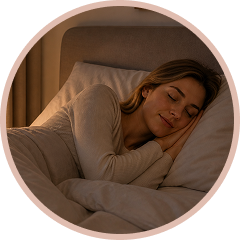
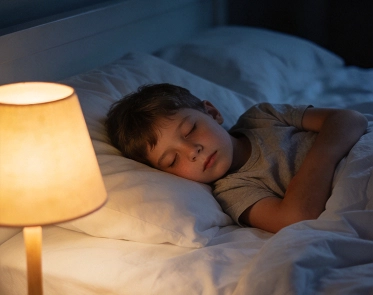
Soft music can help create a peaceful transition from daytime activity to rest.
For Stress Relief

Calm sounds may make it easier to slow down, breathe, and create a less tense atmosphere.
For Focus and Productivity

Instrumental relaxing music can provide background sound without pulling attention away.
For Kids and Family Time

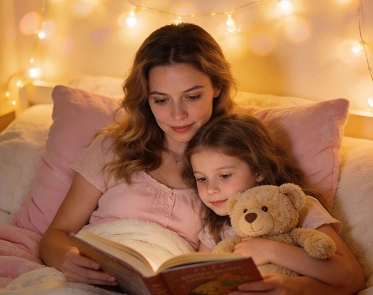
Gentle music can support bedtime, quiet play, reading time, and calm family routines.
Explore More Relaxing Music
Continue browsing relaxing music by purpose, style, and listening situation.

Experience Uninterrupted Calm
Sudden commercials ruin a state of deep relaxation. Download high-fidelity 320kbps MP3s of your favorite relaxing tracks with TuneFab today.
FAQs About Relaxing Music
What is the best relaxing music for sleep?
The best relaxing music for sleep is usually slow, soft, and consistent. Instrumental piano, ambient music, nature sounds, and gentle soundscapes are common choices because they create a calm background without sudden changes.
Does relaxing music help with anxiety?
Relaxing music can help create a calmer atmosphere and may support stress relief for some listeners. For anxiety-related needs, gentle instrumental music, ambient sounds, and steady rhythms are often easier to listen to than loud or fast-paced tracks.
What kind of relaxing music is good for kids?
Relaxing music for kids should be simple, gentle, and easy to follow. Soft piano, lullabies, acoustic music, nature sounds, and bedtime playlists are good options for quiet time or sleep routines.
Is relaxing music good for studying?
Yes, many people use relaxing music as background sound while studying. Instrumental tracks, lo-fi music, ambient music, and soft piano are usually better than lyric-heavy songs because they are less distracting.
What is the difference between relaxing music and meditation music?
Relaxing music is a broad category for calm listening, while meditation music is usually created specifically for mindfulness, breathing, yoga, or meditation sessions. Meditation music often includes ambient textures, long tones, and slower transitions.
Can I download relaxing music for offline listening?
Yes. If the music is available on supported streaming platforms, you can use TuneFab tools to download selected songs or playlists for offline playback, depending on the source platform and available options.